The Quiet Edge: Navigating Norway's Untamed Western Fjords
On granite promontories battered by the North Sea, modernist architecture has carved out spaces of deep acoustic solitude.
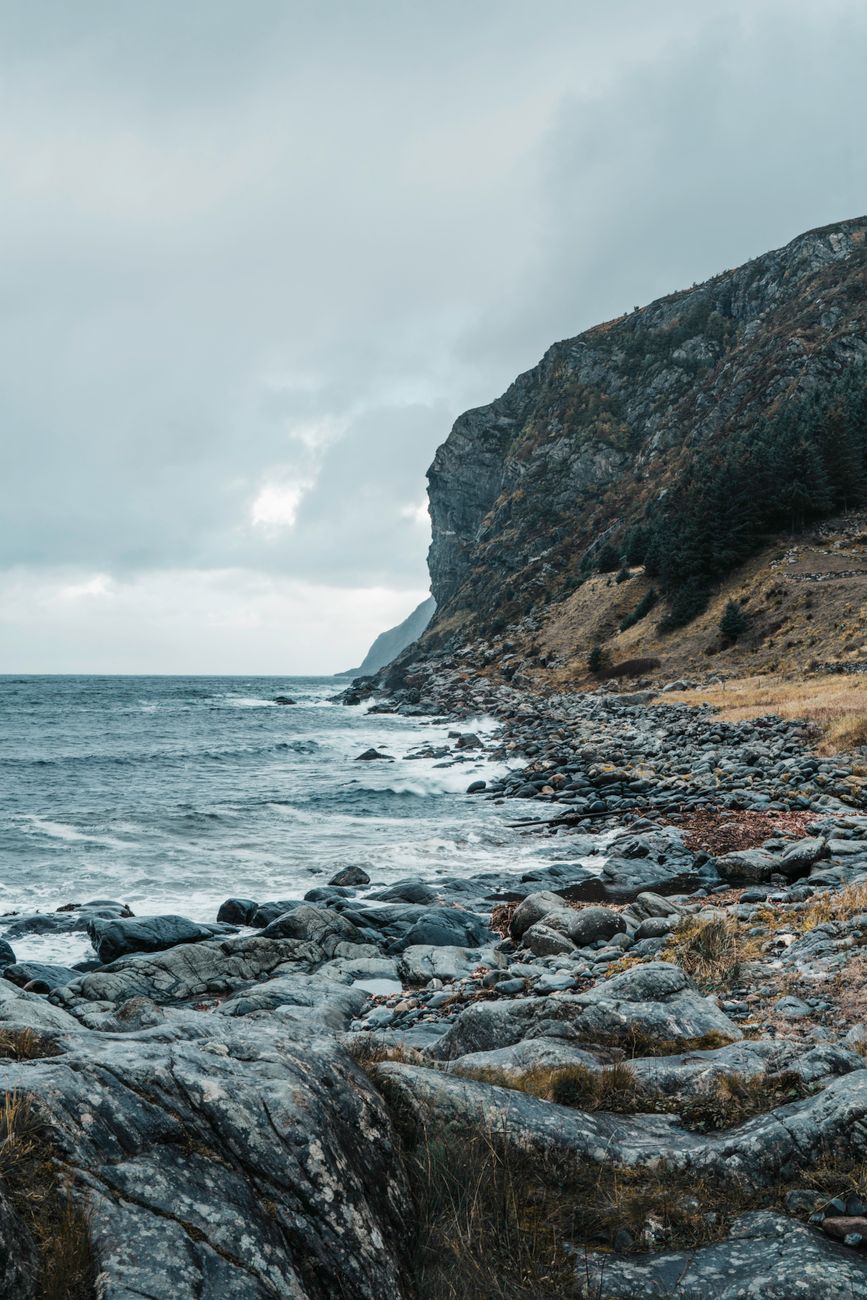
Photography by 111111 Editorial Archive • Western Norway
Chronicle Outline
To arrive at the western fringe of Norway during late autumn is to understand what silence looks like in motion. The Atlantic rolls inland through narrow sea-carved chasms, its surges reduced to glassy ripples that slap gently against ancient basalt foundations. Here, daylight does not vanish suddenly; rather, it dissolves into a four-hour twilight of slate blue and faint ochre.
1. The Coastal Threshold
We made our base near the headwaters of the Hjorundfjord, a body of water walled by the jagged peaks of the Sunnmøre Alps. Unlike the tour-heavy routes of southern waterways, Hjorundfjord remains predominantly agricultural and contemplative. Small wooden jetties extend into clear glacial currents where one can observe cold-water kelp undulating twenty feet beneath the boat hull.
Travel here demands a slowing down of biological tempo. Roads frequently terminate into ferry docks where crossings operate on seasonal schedules rather than hurried urban intervals. One waits, coffee in hand, watching low clouds graze the tree line.
“Architecture in this wilderness does not seek to conquer the landscape, but simply offers a warm aperture through which to witness its enduring permanence.”
— Marcus Thorne, Field Dispatch
2. Timber, Zinc, and Granite
A generation of Scandinavian architects has redefined lodging across these western outposts. Abandoning ornate luxury tropes, these shelters utilize blackened pine, triple-glazed floor-to-ceiling glass, and raw cast concrete. Heated by geothermal loops and wood-burning hearths, they form warm observation chambers suspended above cold tidal waters.
Inside, simplicity reigns: linen blankets spun from local sheep, untreated spruce chairs, and unvarnished birch tables. The absence of visual clutter allows the outside landscape — cascading waterfalls, migrating eagles, drifting fog — to serve as the solitary, mesmerizing decor.
3. Living with the Arctic Tides
Days take form around unhurried rituals: rowboat expeditions into hidden coves, foraging for cloudberries on moist tundra hummocks, and evening fires stoked with dry birch bark. There are no performance metrics here, only the sharp sting of crisp air filling the lungs and the profound comfort of absolute quiet.