The Taste of Terroir: A Culinary Pilgrimage Through Ancient Kyoto
Beyond the crowded thoroughfares lies an ancient ecosystem of artisanal dashi brewers, heirloom vegetable plots, and Zen culinary minimalism.
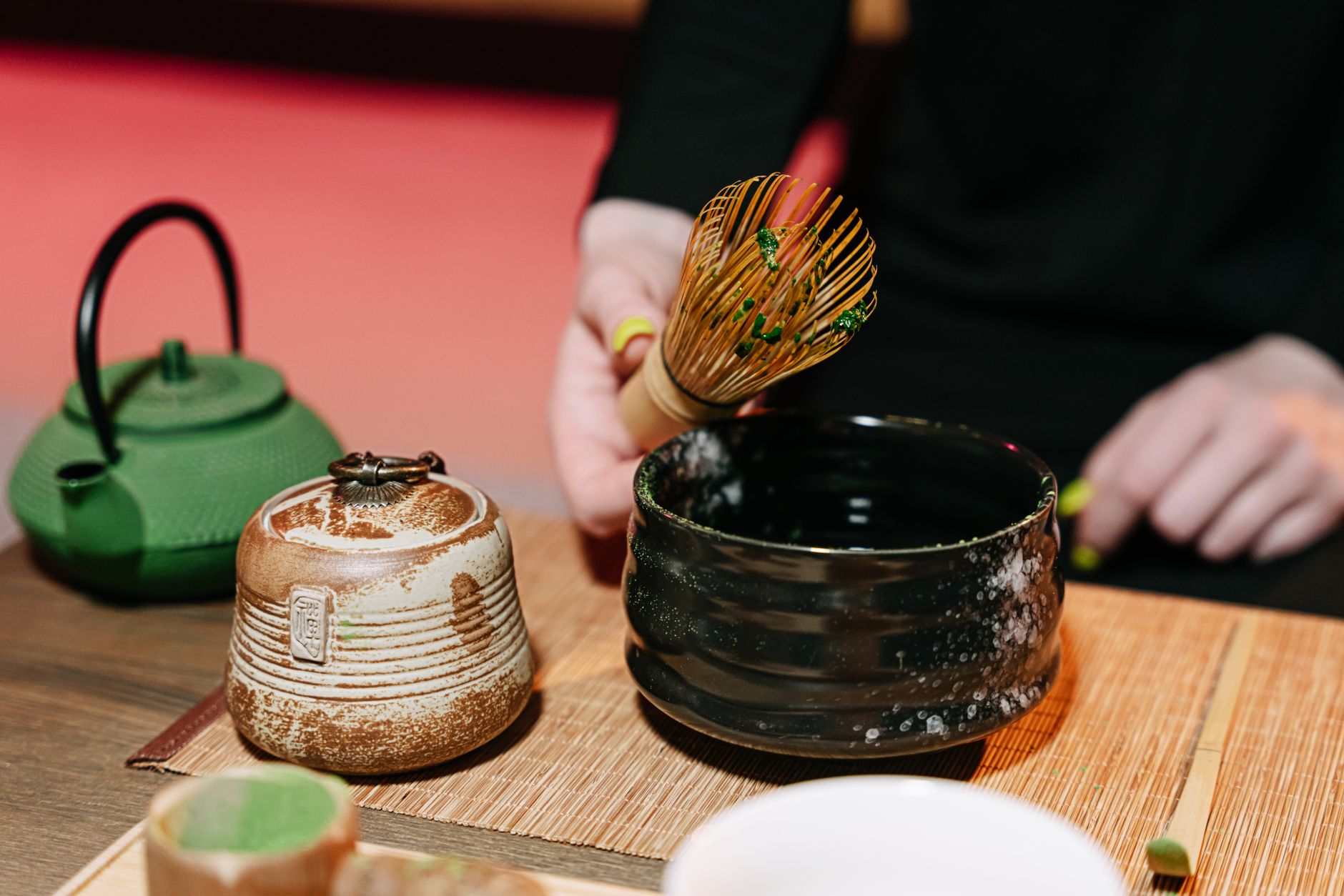
Photography by Elena Rostova • Kyoto, Kansai
Table of Contents
In Kyoto, gastronomy is inseparable from topography. The city sits nestled in a gentle basin fed by exceptionally soft underground spring aquifers. It is this specific water — mineral-lean, silky, and unassertive — that forms the invisible spine of regional culinary art.
1. Water, Kelp, and Shaved Skipjack
We visited a three-hundred-year-old shop near the Gosho imperial grounds where dried kombu from Hokkaido is aged in cedar-lined vaults for three winters. Aging mellows the marine sharpness, transforming the seaweed into pure crystallized glutamic acid. When combined with wood-smoked katsuobushi shavings, the resulting dashi broth is neither salty nor sweet; it is an atmospheric sensation that resonates at the back of the palate.
Observing a master chef ladle clear broth over a single turnip simmered with winter yuzu is a lesson in subtractive elegance. There are no heavy fats or maskings — only temperature, pristine knife work, and reverence for ingredients.
“To eat here is to participate in an unbroken lineage of seasonal devotion where each dish reflects the day's exact celestial alignment.”
— Elena Rostova, Gastronomy Notes
2. Shojin Ryori and the Monastic Table
At Daitoku-ji temple, the vegetarian cuisine crafted by Buddhist practitioners, known as shojin ryori, reaches peak refinement. Sesame tofu ground by hand for two hours in stone mortars achieves a silkiness comparable to clotted cream. Pickled mountain burdock, wild ferns gathered from nearby slopes, and steamed gingko nuts are arranged in black lacquer bowls of severe proportion.
The meal is consumed in silence, punctuated only by bamboo water pipes tipping in the moss garden outside. It is food that cleanses the mind as much as it nourishes the flesh.
3. Heirloom Produce of Kamigamo
In the northern enclave of Kamigamo, fourth-generation farmers still till small patchwork parcels guarded by stone shrines. They cultivate Kyo-yasai: distinctive round eggplants, sweet Kamo leeks, and fiery Shishito peppers that cannot be duplicated elsewhere because the seed stock has adapted specifically to Kyoto basin humidity over centuries.
Traveling through this landscape reveals that true luxury is not rarity born of price, but intimacy born of heritage.